Splashing money on a striker and the SCMP

Does the SCMP penalise the smaller clubs?


Bristol Rovers were in dire straits in late January 2002. It was their first-ever season in the 4th tier of English football and they were doing badly, occupying the 87th place of the 92 league clubs.

A trip to a Premier League club in the FA Cup sounded like a recipe for disaster. But Rovers’ 3-1 victory at Pride Park was to prove the showcase for a young striker whose hat-trick destroyed Derby that day. Nathan Ellington was only 20 at the time, but was heading towards twenty goals for the season in a struggling side.

At the time Wigan Athletic were hovering around mid-table in League 2, the 3rd tier. Latics had finished in the top six the previous three seasons and manager Paul Jewell had spent freely in a bid to get promotion.

In summer he had paid Dundee United £500,000 for Jason de Vos, £750,000 to Wolves for Tony Dinning and £300,000 to Watford for Peter Kennedy. He had followed that up in December with the signings of John Filan from Blackburn for £600,000 and Gary Teale from Ayr United for £275,000.

However, Latics were just not scoring enough goals. They had scored a paltry 53 in 46 league matches the previous season and desperately needed someone who could put the ball in the back of the net.

Jewell’s signing of Ellington for £1.2 million a couple of months later raised eyebrows in the English football world at the time. It was an enormous fee for a club in the third tier, with an average attendance of around 6,000, to pay to one in the tier below them. However, in the following season Ellington’s 22 goals propelled Latics to winning the division. Ellington was to go on to form that wonderful partnership with ex-Bristol Rovers teammate, Jason Roberts, that was to help Latics reach the Premier League.

It had been Wigan’s sixth season in the third tier when Ellington was signed in 2002, but just over thirteen years on Wigan Athletic are contemplating life back there. But it is a different club now than it was then and the Financial Fair Play protocol has come into play. Can Latics once again get out of the third tier, albeit within a differing economic climate?

There have been many theories put forward as to why Latics were relegated this season. But, no matter what was going off the pitch, scoring only 39 goals in 46 league games was the main contributory factor. Dave Whelan had splashed some £8 million during the summer transfer window in signing strikers Andy Delort and Oriol Riera together with Adam Forshaw and Emyr Huws, who were expected to provide some creativity in midfield.

Sadly the gamble did not come off and none of the four was to play in the second half of the season. Forshaw was sold, Huws injured and the two strikers sent back to their home countries on loan. Given the failed investment made by Whelan, will his grandson and new chairman, David Sharpe, be brave enough to follow a similar path this summer by making major investments in players?

Whelan had splashed money around in both the 2001-02 and the 2014-15 seasons in bids for promotion. However, in 2001-02 there was little hope of a return on his investment. Over two decades he was to pour around £100 million into the club with little hope of getting any of it back. Not only was getting promotion to the Premier League at a considerable financial cost to him, but he had to keep pouring money into for the club to stay there.

In 2007 following the departure of Jewell and an unfortunate spell under Chris Hutchings, Whelan brought back Steve Bruce to steady the ship. Bruce did exactly that. Hutchings had presided over six successive defeats, taking Latics into the bottom three. Bruce arrived in November and managed to steer Latics into 14th place, well clear of relegation. In the 2009-09 season that followed they finished 11th. But Bruce’s success had come at a financial cost. The result was Wilson Palacios and Emile Heskey leaving in January and Antonio Valencia in July. Nevertheless Latics had made losses of £11.2 million and £5.8 million over the two seasons with Bruce in charge.

Roberto Martinez was appointed in the summer of 2009 with the brief of slashing the wage bill, but maintaining Wigan’s Premier League status. Even before the season had begun Lee Cattermole had been sold for £3.5 million. Martinez was to guide Latics into 16th place, with the operating loss for the season cut to £4 million.

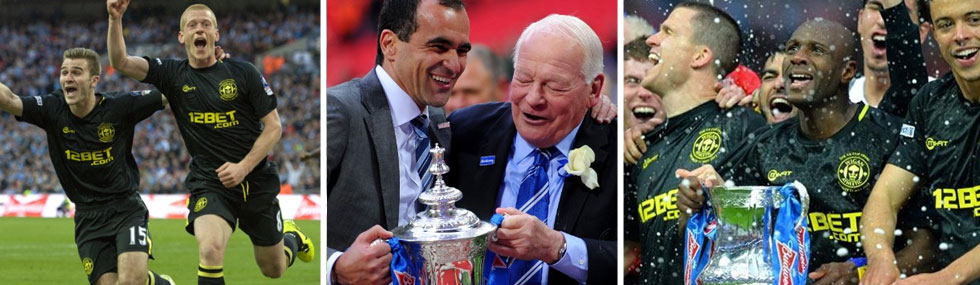
The 2010-11 saw Latics finish in 16th place once again, with a loss of £7.2 million. But in the 2011-12 season they were to turn things around financially, finishing 15th with a profit of £4.3 million. A profit of £822,000 was made the following season when they won the FA Cup but were relegated from the Premier League.

Relegation to the Championship saw the club cut its cloth according to its changed circumstances. Wages for 2013-14 were cut from around £50 million the previous season to £30 million. A profit of £2.6 million was announced.

However, profit and loss statements do not tell the full story of a club’s finances. Accountancy uses the concept of amortisation, which tends to distort the picture.  In simple terms transfer fees are spread over the term of a player’s contract.

Let’s say that Wigan paid a £2.8 million transfer fee to sign Andy Delort in 2014, who was given a four year contract. The amortised value is therefore £700,000 per year. On the accounts for this year the transfer fee would therefore appear as an amortisation of £700,000. Delort’s amortised book value after one year would therefore be £2.8 million, less £700,000, equalling £2.1 million.

Now let’s say that Delort is sold for £2.0 million after being at the club for two years. After two years his amortised book value is £1.4 million, so the accounts for 2016-17 would show a profit on the sale of £2.0 million less £1.4 million, that is £0.6 million. Let’s also say Delort’s annual salary was £1million. For that year’s accounts Latics would actually show a profit improvement of £2.3million due to lower wage costs of  £1 million, lower amortization costs of £0.7 million and the £0.6 million profit on the transfer.

The use of amortization in accounting for football club profits and losses is an art unto itself. However, the declared profits shown by Wigan Athletic in the last three years of reporting suggest that the club has been heading in the right direction. In simple terms its long-term sustainability depends on nothing less than making sure that incomings outweigh outgoings.

The higher than usual level of transfer activity and changes in wage costs over the course of the season just finished will certainly keep the club’s accountants busy. However, in layman’s terms the transfer fees received through the sales of such as James McArthur and Callum McManaman outweighed those spent.  Moreover the January sales and departures enabled the club to drastically its wage bill.

Wigan Athletic today announced its new season ticket prices, David Sharpe stating that:

Gary Caldwell and his staff will work tirelessly to get things right on the pitch, and I’m sure that our loyal supporters will support the players as they always do. We want to reward our supporters after a difficult season and by reducing prices by 5% we are demonstrating how much we appreciate the support we have received. Our fans will play a massive part in the new era of the club. Our season cards continue to be the most cost effective way of watching Wigan Athletic and remain extremely competitive compared to other clubs. We are committed to making the cost of watching football affordable to all.”

The club’s admission prices were among the lowest in the Championship division, where average attendance dropped to 12,882 from 15,176 the previous season. A further drop in attendance would appear inevitable, even if the club has a successful season. The prospective fall in attendances, together with reduced admission prices, means a significant further drop in gate receipts.

The average attendance in League 1 this year was 7,061. It was the larger city clubs – Sheffield United, Bradford City and Bristol City – who averaged over 10,000. Over their previous six seasons in the third tier Wigan Athletic averaged 5,841, with the highest yearly average of 7,287 in the promotion season 2002-03 and the lowest yearly average of 3,967 in the first season 1997-98.

With gate receipts becoming a more critical factor, Sharpe will be hoping he can maintain average attendances at least around the 8,000 mark. After their successes in the past decade in particular, Latics now have a greater fan base than before. However, he will be aware that he has to keep admission prices relatively low to compete with the local rugby club for support and not alienate fans who have loyally stuck by the club in the most horrendous of seasons that just passed.

For the next couple of years gate receipts will not be the main source of revenue, given parachute payments of £8 million per season. On the face of it Latics will have a significant financial advantage over the other 23 clubs in the division, none of whom have parachute payments. However, FFP protocols differ greatly between League 1 and the Championship. The Salary Cost Management Protocol (SCMP) system, operated in League 1, allows owners to inject funds in ways that would not be possible in the Championship.

League 1 winners Bristol City have been losing money steadily over recent years. In 2013-14 they lost £3.9m after being relegated to League 1. They had lost £12.9 million in the Championship the previous season, with big losses in the years prior to that. In January 2014 their major shareholder, Steve Lansdown, turned £35 million of debt into equity to keep the club afloat. Despite their lack of profitability they have been able to put funds into the redevelopment of their Ashton Gate ground, due to be completed in 2016-17.

In contrast Yeovil have not had that kind of financial support from their owners. Sadly they have suffered successive relegations and will play in League 2 next season. In March chairman John Fry claimed that their budget of £1.4 million was the 14th highest in League 1, the highest they had ever had in that division. They had started the season with a loss of £5 million hanging over them from the previous year in the Championship division. Fry has repeatedly stated his view that the SCMP penalises smaller clubs like his own, whose gate receipts cannot compete with those of bigger clubs.

David Sharpe continues to reiterate his desire to get immediate promotion back into the Championship.  Parachute payments notwithstanding, is he willing to give Gary Caldwell the kind of financial backing that his grandfather gave Paul Jewell more than a decade ago?

If he is then maybe we will see a young striker coming into the club who can make a difference in the way that Nathan Ellington did from 2002-2005.


The financial side of a bounce back for Wigan Athletic

Sharpe

David Sharpe offers the club new direction, but he has major challenges ahead of him.


“You will no doubt have heard the news by now that we will be kicking off next season in Sky Bet League One. Everyone associated with Wigan Athletic is suffering this morning but the reality is that this is where we find ourselves and I wanted to write to all of you with a personal pledge that nothing else but an immediate return to the Championship will suffice. We will bounce back.

The words of David Sharpe after Rotherham had put the final nail in Wigan Athletic’s coffin by beating Reading on Tuesday night.

Since taking over as chairman Sharpe has injected a breath of fresh air into the morale of Latics fans. The unthinkable actually happened – from winning the FA Cup to League 1 just two years later. But Sharpe’s enthusiasm for the task of getting the club back into the top echelons is infectious. After the club drifting for months like a rudderless ship Sharpe has come in and provided not only direction, but hope.

He has installed a bright young manager in Gary Caldwell, insisting that it is a long-term appointment. During just four games in charge Caldwell has already turned the style of play from the hoofball prevalent under Malky Mackay to what Sharpe calls “the right brand of football”. Sharpe continues to reiterate the club’s desire to produce a top class academy. He also plans to put in place an effective department of recruitment, something the club was lacking even in the Premier League days.

Sharpe has been impressive in his dealings with the media. Rather than look like a 23 year old novice in the role of club chairman, he has clearly enunciated his vision for the club and looked calm and confident when interviewed. Moreover he is from a generation that is skilled in the use of electronic and social media.

Dave Whelan too started off with a vision when he first took over as chairman some two decades ago. His was to propel Latics out of League 2 into the Premier League in ten years. His achievements are legendary. However, Whelan was already in his late fifties when he took over, with huge business acumen and experience. During those twenty years he was to pump around £100m into the club for them to hold their own in the upper tiers of English football.

DW is a hard act to follow. Does the young chairman not only have the vision, but also the business acumen and sheer determination needed to follow in his grandfather’s footsteps? More importantly is the Whelan family still willing to help support the club financially?

Sharpe is by no means alone in dealing with the financial side of the football club. His grandfather remains the owner and will surely be in regular contact with him. Moreover he has the capable Jonathan Jackson, a Chief Executive with a strong business background, steeped in the tradition of the club since birth.

However, the two of them, together with Head of Football operations, Matt Jackson, have a huge task on their hands over the coming weeks. No less than 13 players left the club in January. A comparable exodus is impending as Latics need to cut their cloth according to the financial realities of League 1 status.

In their last season in the Premier League Wigan Athletic had a staffing budget of around £50 million. Relegation and a huge drop in TV revenues meant that wages had to be drastically reduced, despite a parachute payment of £26 million. To keep a team in mid-table in the Championship typically involves a wage bill in excess of £20 million. Whereas to get into the top six  comes to around £30 million, which is precisely what it cost Latics last season.

With parachute payments dropping to £16m this season that the club once again needed to reduce its wage bill. The departures of ex-Premier League players Jean Beausejour, Jordi Gomez and James McArthur helped. However, manager Uwe Rosler was to bring in nine new players over the summer. Although some were younger players, not on high earning contracts, the competition in the transfer market forced the club to offer more tempting salaries to the rest. The result was a squad that was larger than the club needed with a wage bill close to that £30 million of the previous season.

The January fire sale, in which 13 players left the club, helped to put Latics back on track financially. Apart from the transfer fees received the wage bill was reduced significantly, to probably around £20 million on an annual basis. Sadly the selling of much of the family silver left Latics with a threadbare squad, short on quality. Only two permanent signings were made, coincidentally both being players who had prior experience in League 1. The squad was supplemented by young loanees and players on short term contracts.

For the coming season Latics will receive £8 million in parachute payments, plus around £2.5 million from TV money. The rest will need to come from gate receipts and commercial revenue. The club will have gone from a wage bill of £50 million to £30 million to around £10 million in the space of just three years.

Assuming the current wage bill approximates to around £20 million on an annual basis it means that it will need to be halved over the summer.

Wigan Athletic currently have 19 players under contract until 2016 and beyond. None of those were previously on Premier League contracts. However, having been signed when Latics have been in the Championship division many of them will be on salaries that are way above the norm in League 1.

Excluding loanees there are 8 players out of contract in June. The list includes goalkeeper Lee Nicholls, although rumours suggest that he is being offered a contract extension.

Given the situation Sharpe will look at selling off those contracted players on the highest salaries. Many of the most saleable assets departed in January, but players with prior Premier League backgrounds remain who will be targeted by other clubs. The most likely to attract sizeable transfer fees are Scott Carson, James McClean and James Perch. Moreover Oriol Riera has already shown in his return to Spain that he is a player who will be in demand, likely to bring in a transfer fee.

So many players have been tainted by the low morale and low confidence among the squad this season and their performance levels have dipped. With a fresh start next season and playing in a lower division, many of them are capable of significantly raising those performance levels. However, the financial reality is that around half of them will need to be persuaded to find other clubs, with their contracts terminated by mutual consent.

A few weeks back Sharpe mentioned that Latics were going to need at least ten new players for next season. With around ten retained from the current squad, ten new additions and a handful of players brought up from the development squad it would bring the club close to the squad size of 24 stipulated for League 1 clubs. Up to half of the new additions are likely to be players on loan.

Persuading such a large number of players to move on, helping them to find them new employment, is no easy matter. It will be easier in some cases than others. Some may need to move to clubs offering lower salaries, but in higher divisions than Latics. Players who have been in the Premier League not so long ago will be reluctant to damage their future career prospects by dropping down to League 1.

Caldwell will know which players he wants to retain. However, he might not be able to be so selective. Those returning from long-term injury are unlikely to be sought out by other clubs until they have proved they are fit again. Emyr Huws, Aaron Taylor-Sinclair and Grant Holt fall into that category. Holt is not only recovering from an anterior cruciate ligament knee injury, but will be 34 years of age when the season starts. Moreover he is one of the highest earners. Caldwell’s hands will most likely be tied and he will need to find ways of enabling the big Cumbrian to fit into his style of play.

Caldwell might want to keep at least some of the players whose short term contracts are about to expire. Harry Maguire is on Premier League wages at Hull and the salary expectations of ex-top flight players such as William Kvist, Kim Bo-Kyung and Jermaine Pennant will be high. Caldwell also needs to make a decision on his old teammate Emmerson Boyce. At 35 years of age, Boyce does not have the pace of before. However, Caldwell could choose to use him in a back line of three, where his experience could be useful. But then again, it would also depend on his wage expectations.

Despite Sharpe’s assertions about producing a top class academy the club has not made any recent statements about the development of the Charnock Richard site. There are fans who remain skeptical about whether the project will be brought to its conclusion. We await further news.

The framework governing Financial Fair Play in League 1 differs greatly from that of the Championship. Clubs in Leagues 1 and 2 have to operate under the Salary Cost Management Protocol (SCMP). It limits the wages that a League 1 club can pay out to a maximum of 60% of its turnover. There is no consideration given to clubs coming down from the Championship except that the salaries of players signed before September of the previous season, on contracts of three year or more, are not included in the calculations.

That would be the case of those signed by Owen Coyle prior to the 2013-14 season. However, although the retention of those players would not be contributory to breaking the SCMP protocols, the club will be reluctant to continue to pay salaries of approaching £1 million per year to the higher wage earners. In certain cases, such as that of Holt, its hands may be tied.

Over the coming weeks we will discover which players are moving on. Caldwell faces a tough decision whether to retain a handful of high earners, who would take up around half of the total wage bill, or whether to ditch as many as he can to sign up-and-coming players from the lower divisions or maybe Scotland. It could be argued that if he were to keep some of those high earners they would provide a strong backbone for his team. It could also be said that so many of those players underperformed this season and the club is better off without them.

Sharpe has made it clear that he wants promotion this season. In reality it might be too much to ask of a rookie manager in his first full season with so many new players to bed-in. However, the parachute payments only continue for two more years and after that Latics will compete on an even keel with the other clubs in the division. Promotion in the second year would become a real priority.

Turnover usually includes not only match day revenues, TV money and sponsorship deals. But interestingly the Football League also includes donations from the owners of clubs and the injection of equity. It basically leaves the door open for a rich owner to take over a club and pump money into it in a bid for promotion. Moreover there is no direct restriction on the amount of money the club can spend or receive in transfer fees.

Unlike so many clubs Wigan Athletic have been well managed financially in recent years and made profits in the past three seasons. Whether they make one this year remains to be seen, although the transfer fees received and staffing cuts made in January will help. However, the long term question is whether the Whelan family, through Sharpe, is willing to inject further funds into the club. Funds will be needed for the foundation of a top class academy and if Latics cannot gain promotion in the next couple of years the parachute payments will be gone and they will have no financial advantage over the general morass of clubs in League 1.

Sharpe has made an inspirational start to his tenure as chairman of Wigan Athletic. But the coming weeks are going to test his abilities to remain calm and level-headed, whilst being determined in realizing his vision for the club.

Then there remains the big question about injection of further funds into the club by the Whelan family, which has already given so much.